Sill Plate Sealing: A Critical Step in Rodent Exclusion
Why the Gap Between Foundation and Wall Matters
Every home has a sill plate. It is the horizontal piece of lumber that sits directly on top of the foundation, bridging the gap between the concrete and the framed wall above. In many older houses in Cleveland, TN, that gap is anything but tight. Over decades, wood shrinks, foundation settles, and weather exposure takes its toll. The result is a narrow but consistent gap that runs the entire perimeter of the house. For mice, rats, and other small pests, that gap is not a flaw. It is a front door.
I have spent enough time in crawl spaces to know that a quarter-inch gap along a sill plate can admit hundreds of rodents over a season. That is why sill plate sealing is one of the first steps I check when performing rodent exclusion work. It is not glamorous work, but it is foundational. If you skip this step, you are essentially leaving the entire lower edge of your house open to infiltration. And once rodents find a reliable entrance, they will bring others, breed quickly, and cause damage that goes far beyond the nuisance of scratching in the walls.
Where Mice and Rats Get In
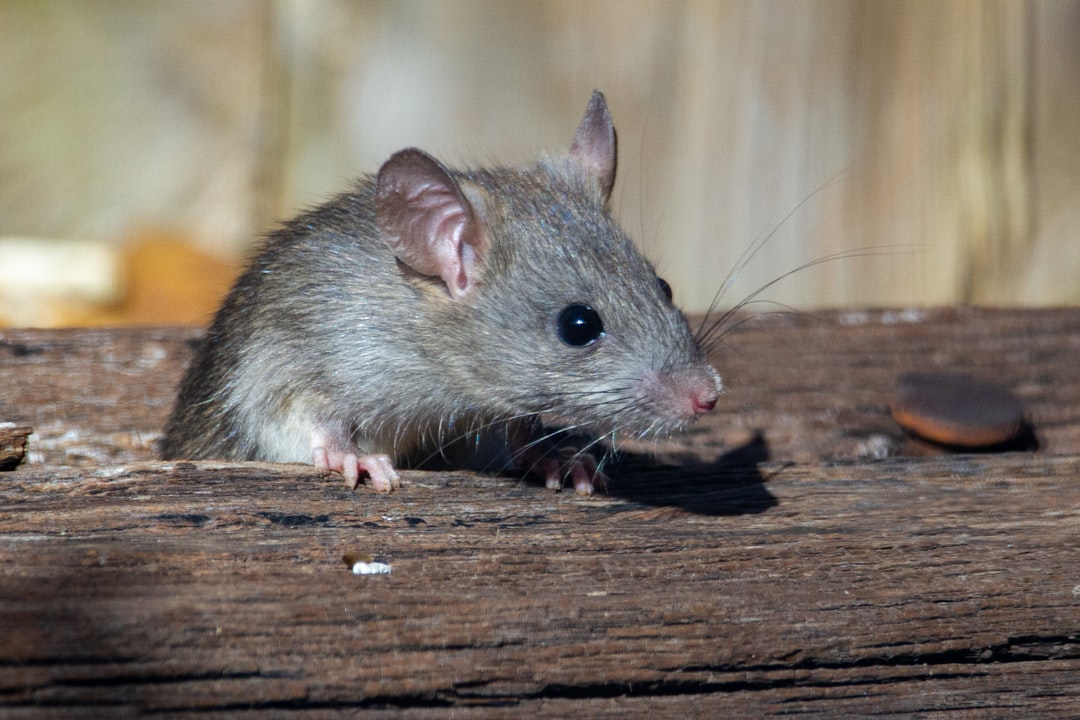
The typical entry point for a mouse is about the size of a dime. For a rat, it is closer to the diameter of a quarter. A gap that small along a sill plate is almost invisible from the outside, especially when the siding overlaps the foundation. But from inside the crawl space, you can see daylight through those same gaps. That is a clear sign that the weather barrier has been compromised and that pest proofing needs to happen.
Rodents do not need much to squeeze through. They can collapse their rib cages and flatten their skulls to fit through openings that seem impossibly small. So when you see a gap of even a quarter inch under the sill plate, it is already large enough for a juvenile rat or an adult mouse. The key is to close those gaps with durable materials that rodents cannot chew through. That is where the practical work of sill plate sealing begins.
Materials That Work and Materials That Do Not
Over the years, I have tried nearly every approach to sealing sill plates. Some work well; others fail within months. Here is what I have found to be effective in the field, especially in the climate around Cleveland, TN, where humidity and temperature swings can degrade sealants quickly.
- Copper mesh is excellent for large gaps. It is stiff, rustproof, and rodents cannot chew it. I cut strips of copper mesh and stuff them into gaps along the sill plate before applying any sealant. It acts as a physical barrier that also holds the sealant in place.
- Steel wool works in a pinch but has a major downside: it rusts. In a damp crawl space, steel wool can corrode within a year, leaving the gap open again. I only use it when copper mesh is not available, and I always warn homeowners that it is a temporary fix.
- Polyurethane foam is great for filling irregular voids, but it must be the rodent-resistant type. Standard expanding foam can be chewed through by rats. Even the rodent-resistant foam should be paired with a metal mesh for critical gaps. Foam alone is not enough.
- Caulk works well for hairline cracks and small gaps where the sill plate meets the foundation. A good quality silicone or polyurethane caulk will bond to both wood and concrete and remain flexible as the house shifts. For gaps wider than a quarter inch, caulk alone is too weak. It needs a backing material like copper mesh.
None of these materials is a silver bullet. The real skill is knowing which combination to use for each specific gap. That judgment comes from experience, not from a product label.
The Process of Sill Plate Sealing
When I approach a sill plate sealing job, I start by clearing the area. In a crawl space, that often means removing debris, old insulation, and sometimes rodent droppings. I wear a respirator and gloves because dried rodent urine and feces can carry hantavirus. Safety comes first.
Next, I inspect the entire length of the sill plate with a bright flashlight. I look for gaps, cracks, and any signs of gnawing. Rodents leave telltale marks: dark grease stains along the edges of the wood, small droppings, and chewed wood fibers. If I find an active entry point, I also set traps nearby to reduce the current population before sealing them in. Trapping and sealing go hand in hand. If you seal every gap without removing the rodents already inside, you create a new problem: dead animals in the walls.
Once the area is clean and the entry points are identified, I begin sealing. For each gap, I cut a piece of copper mesh to size and press it into the opening with a putty knife. Then I apply a bead of polyurethane foam or caulk over the mesh, depending on the width of the gap. I smooth the sealant with a gloved finger to ensure good adhesion and a neat finish. The goal is a continuous, unbroken seal that can withstand the settling and shifting of the house over time.
Beyond the Sill Plate: Structural Repairs and Prevention
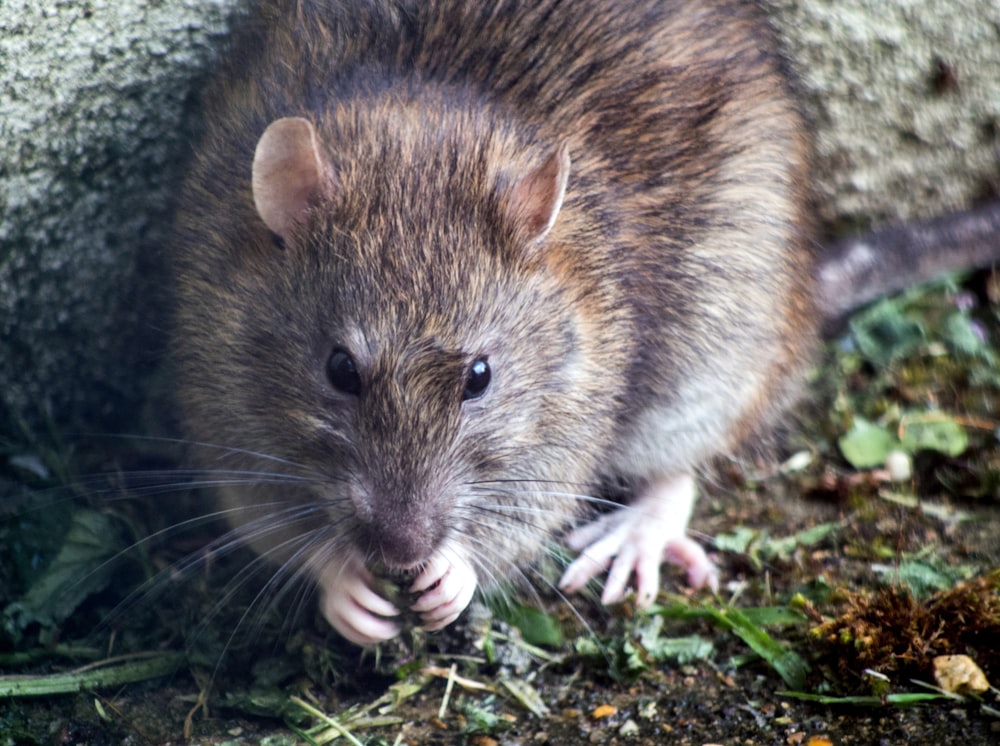
Sill plate sealing is not a standalone solution. It is part of a larger approach to rodent exclusion that includes inspecting and repairing other potential entry points. Gaps around utility lines, holes in siding, openings at roof eaves, and damaged vents can all admit pests. A thorough pest proofing job looks at the whole structure, not just the foundation.
In many homes in Cleveland, TN, the crawl space is a major concern. It is dark, damp, and often neglected. That is where rodents breed and travel. Sealing the sill plate is the first line of defense, but it must be paired with proper ventilation, moisture control, and regular inspections. If the crawl space stays wet, the wood will rot, and new gaps will open. Prevention is an ongoing process, not a one-time fix.
Hiwassee Pest Control understands this well. Their approach to rodent exclusion in Cleveland, TN focuses on trapping, entry point identification, and structural repairs to prevent reinfestation. That is exactly the right philosophy. You cannot just set a few traps and hope the problem goes away. You have to find every gap, seal it with the right material, and keep monitoring for new activity.
Common Mistakes Homeowners Make
I have seen homeowners try to seal sill plates with materials that simply do not hold up. Here are a few things I would recommend avoiding:
- Using spray foam alone without a metal mesh. Rodents chew through it quickly.
- Filling gaps with wadded newspaper or plastic bags. These are not barriers; they are nesting material.
- Ignoring gaps because they seem too small. A mouse can squeeze through a hole the size of a pencil eraser.
- Applying caulk over dirty or oily wood. It will not bond, and the seal will fail in weeks.
- Sealing entry points while rodents are still active inside. Always trap first, then seal.
These mistakes are understandable. Most people do not think about pest proofing until they hear scratching in the walls at night. By then, the infestation is already underway. The real work is prevention, and that starts with a careful inspection and a commitment to using the right materials.

Long-Term Value of Proper Sealing
A well-sealed sill plate can last for years. It stops rodents, but it also improves the energy efficiency of the house by reducing drafts. It keeps out insects and moisture. And it protects the structural integrity of the framing. In my experience, the time and money spent on sill plate sealing pays for itself many times over in avoided damage and pest control costs.
There is no shortcut. You have to get on your hands and knees in the crawl space, look at every inch of that sill plate, and seal it properly. But for anyone dealing with persistent rodent problems, it is the most effective thing you can do. Combine it with regular trapping and a thorough inspection of the rest of the house, and you have a solid foundation for keeping pests out for good.